Speed & Distance Units: km/h, mph, knots and m/s

Speed is just distance divided by time, but the world measures it in a surprising number of units depending on the vehicle and the country. A pilot thinks in knots, a European driver in km/h, an American driver in mph, and a physicist in metres per second. Knowing how they line up turns a confusing dashboard or weather report into something you can read at a glance.
The everyday pair: km/h and mph
On roads, the two dominant units are kilometres per hour and miles per hour. Because a mile is about 1.609 kilometres, mph values are always numerically smaller than the same speed in km/h: 60 mph is about 97 km/h, and a 50 km/h city limit is about 31 mph. A quick mental estimate is to multiply mph by 1.6 to get km/h, or divide km/h by 1.6 to get mph.
Knots: speed at sea and in the air
Ships and aircraft measure speed in knots — one knot is one nautical mile per hour. The nautical mile is not arbitrary: it equals one minute of latitude, about 1852 metres, which makes navigation on a chart elegant. One knot is about 1.852 km/h or 1.15 mph, so a jet cruising at 500 knots is moving at roughly 926 km/h. The same unit shows up in wind and current reports.
Metres per second: the scientific base
In physics and engineering, the SI unit for speed is metres per second, because it combines the base units of length and time directly. To convert km/h to m/s, divide by 3.6; to go the other way, multiply by 3.6. So 36 km/h is exactly 10 m/s. For context, sound travels at about 343 m/s in air, and a comfortable walking pace is around 1.4 m/s. UnitBook's speed category converts between all of these — m/s, km/h, mph, knots and feet per second — in one step.
The nautical mile, and why the knot survives
The nautical mile is the one unit in this family that was designed rather than inherited. It began as one minute of arc of latitude along a meridian, so a degree of latitude is sixty nautical miles and a navigator could step off distance on a chart with dividers against the latitude scale in the margin. Since 1929 it has been defined as exactly 1852 metres.
A knot is one nautical mile per hour: 1.852 km/h, or 0.514 m/s. The convenience is that speed, time and chart distance stay in one consistent system, and latitude is printed on every chart as a ready-made ruler. That is why shipping, aviation and meteorology all kept the knot long after everything else around them went metric.
Aviation keeps a second oddity for the same reason: altitude in feet, not metres, because the flight levels that separate traffic worldwide are defined in hundreds of feet. Mixing systems here is deliberate — everyone using the same wrong-looking unit is safer than half the sky converting.
Exact factors, and the ones worth memorising
Because the inch is exactly 25.4 mm, every imperial speed factor is exact too: one mile per hour is precisely 1.609344 km/h, and one foot per second is 0.3048 m/s. The everyday approximations follow easily — multiply mph by 1.6 for km/h, multiply knots by 1.85, and divide km/h by 3.6 to reach metres per second, since an hour holds 3600 seconds and a kilometre 1000 metres.
Mach is not a speed at all but a ratio to the local speed of sound, and that speed depends on air temperature. At sea level at 15 °C sound travels at about 340 m/s; in the cold of the stratosphere it falls to roughly 295 m/s. So Mach 1 at cruising altitude is a slower true airspeed than Mach 1 on the runway, and no fixed conversion factor exists.
Runners and cyclists meet a subtler trap: pace units such as minutes per kilometre are reciprocals of speed, so they do not average the way speeds do. Two kilometres run at 4:00 and 6:00 per kilometre average 5:00 per kilometre only because the distances are equal; run for equal *times* instead and the honest average is slower than the arithmetic mean suggests.
The takeaway
Multiply mph by ~1.6 for km/h; a knot is ~1.85 km/h; divide km/h by 3.6 for m/s. Each field picks the unit that suits its scale — the converter lets you move between them instantly.
Convert units and run the calculators — free and offline.
More guides
Metric vs Imperial: A Practical Guide
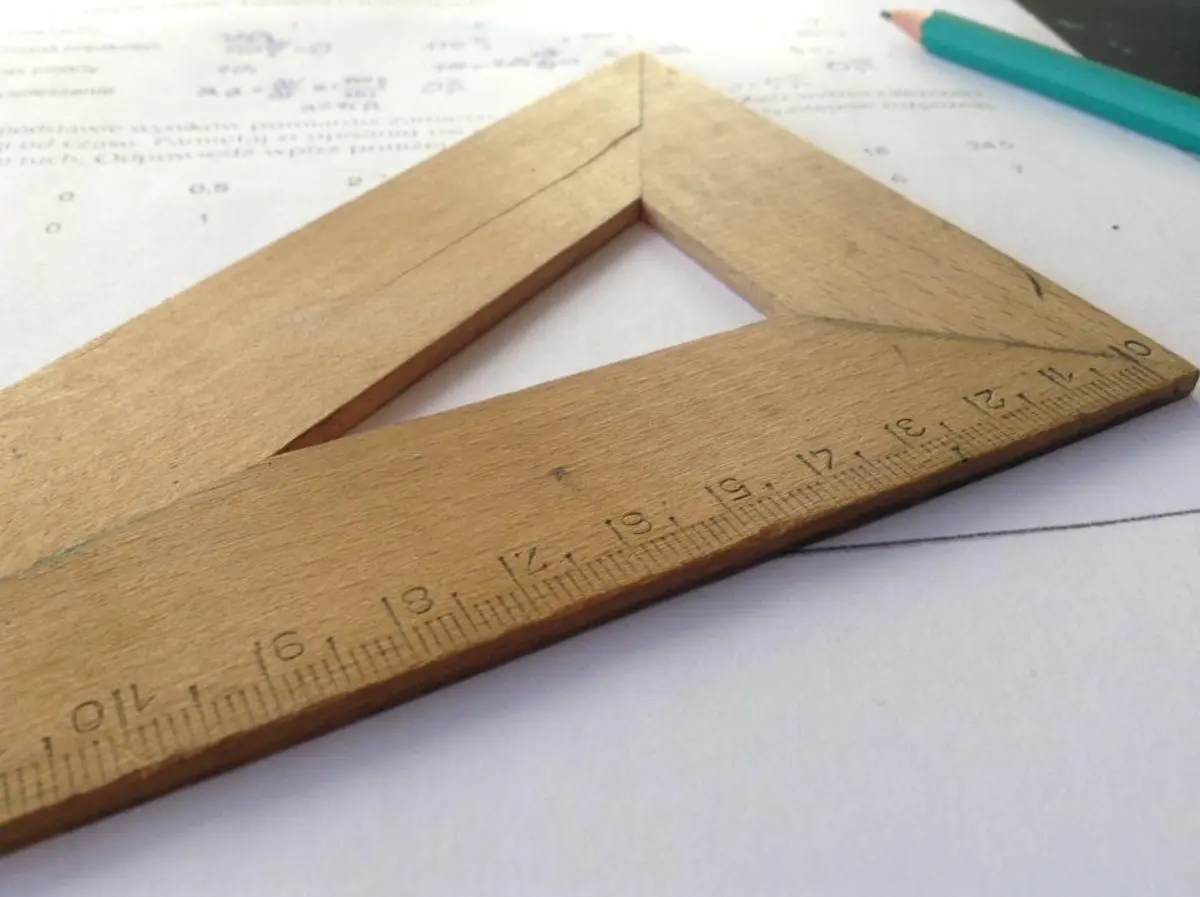
Why most of the world uses metres and kilograms while a few countries still count in feet and pounds — and how to move between the two without mistakes.
Temperature Scales: Celsius, Fahrenheit, Kelvin
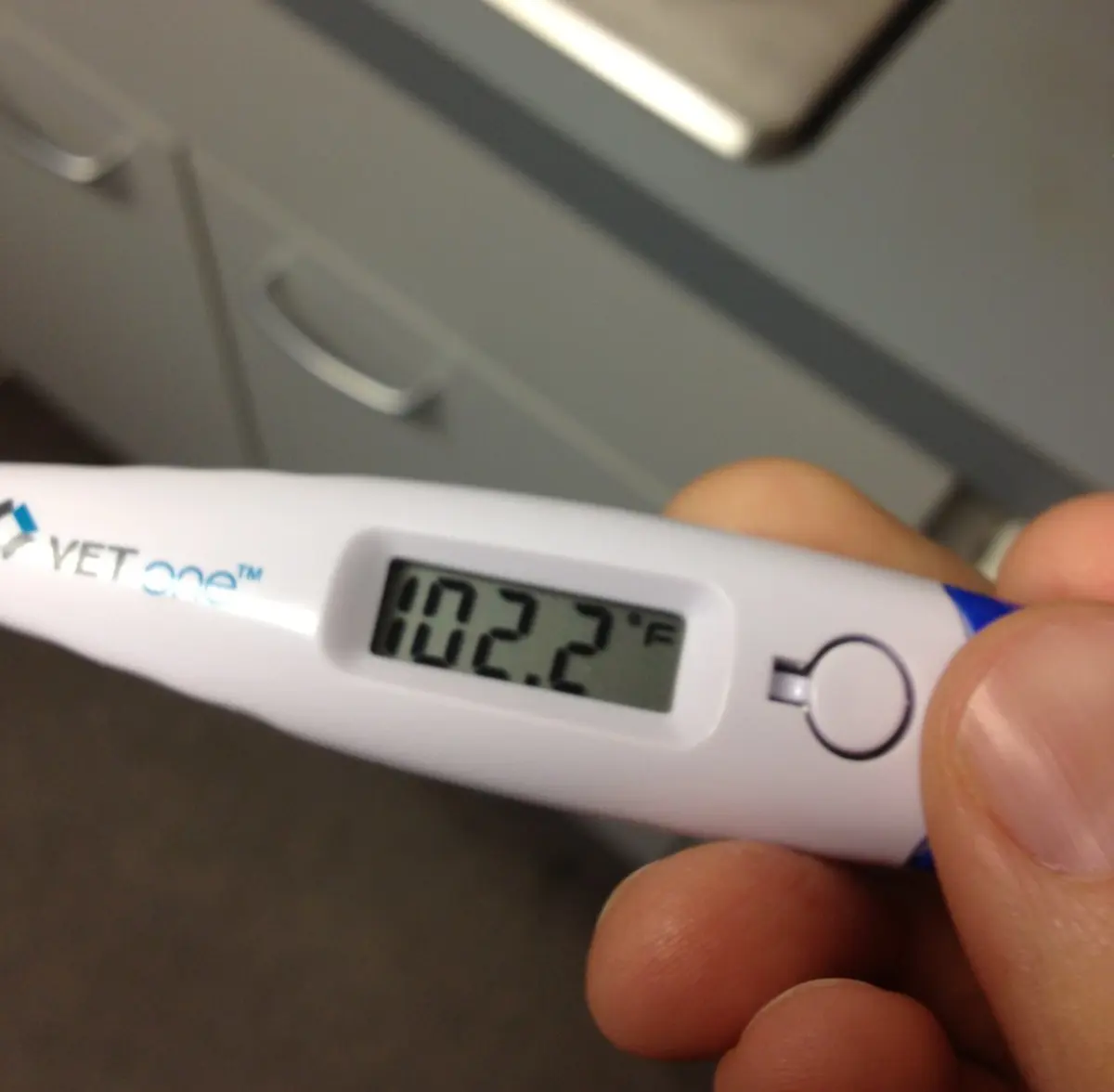
Temperature does not convert like length. Learn why it needs an offset, not just a multiplier, and how the three common scales relate.

Data Units: KB vs KiB, and Why Disks Look Smaller
A "1 TB" drive shows up as roughly 931 GB — because there are two competing definitions of the kilobyte. How binary and decimal units differ.